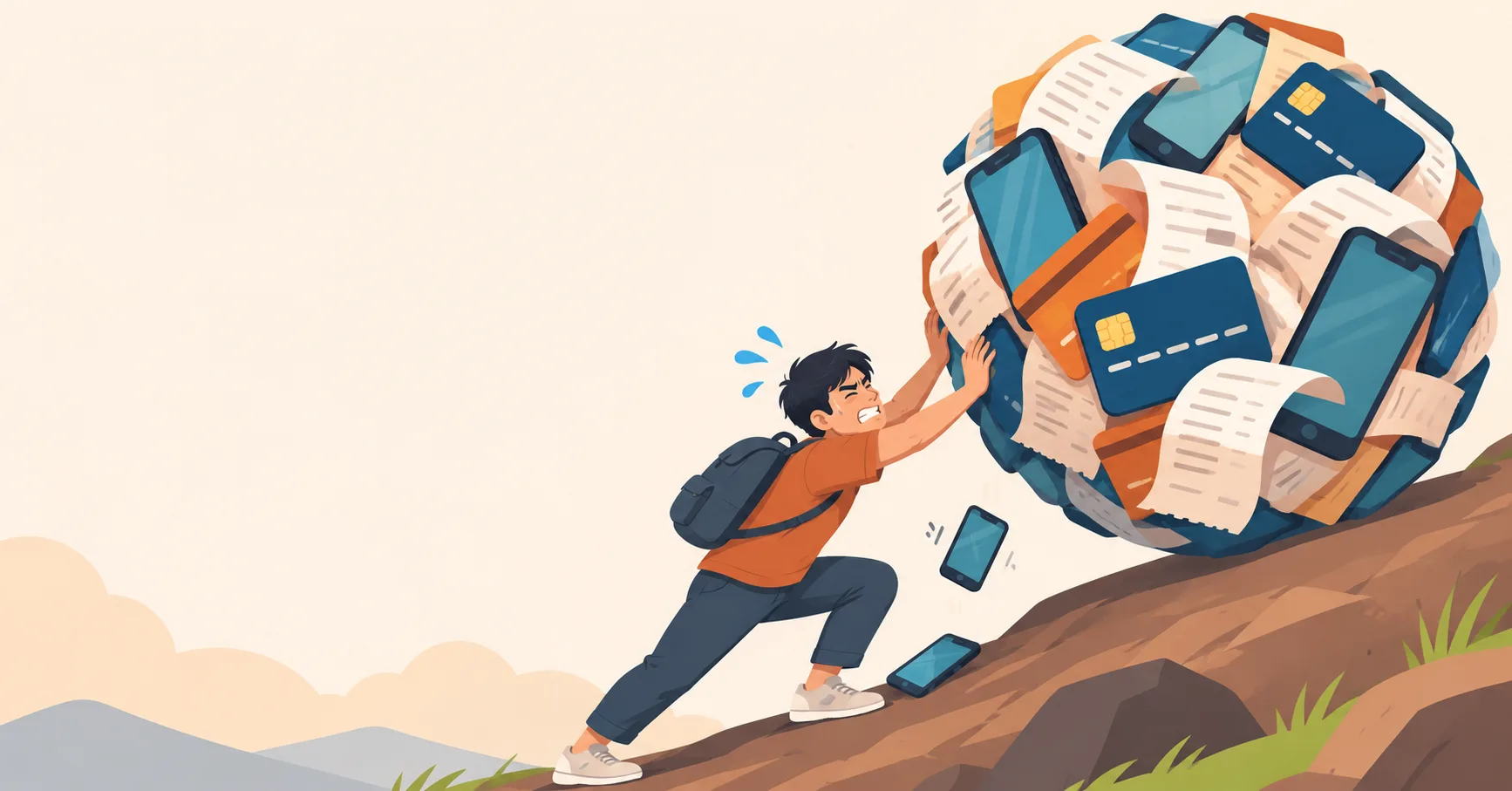
You've probably heard someone say it: "Mangungutang muna ako sa ibang app para mabayaran 'to." Sa una, parang solusyon. The due date goes away, and you can breathe for a few days. Pero after a few weeks, mas malaki na ang utang, at mas marami na ang app na naniningil. That's the tapal system.

To understand why it gets worse every time, I read the rules from the BSP, the SEC and the National Privacy Commission. I also read a lot of stories from Filipinos online who went through it. Iba-iba ang simula: may naaksidente, may nawalan ng trabaho, may nagkamali lang sa paggastos. Pero halos pareho ang kuwento. One loan became five, the collectors started calling, and the hiya was sometimes heavier than the debt itself.
In this guide, I'll show you how the tapal system works, how much the law allows lenders to charge, what happens if you can't pay, what collectors are not allowed to do, and the steps to get out, including the options for credit card debt.
What Is the Tapal System?
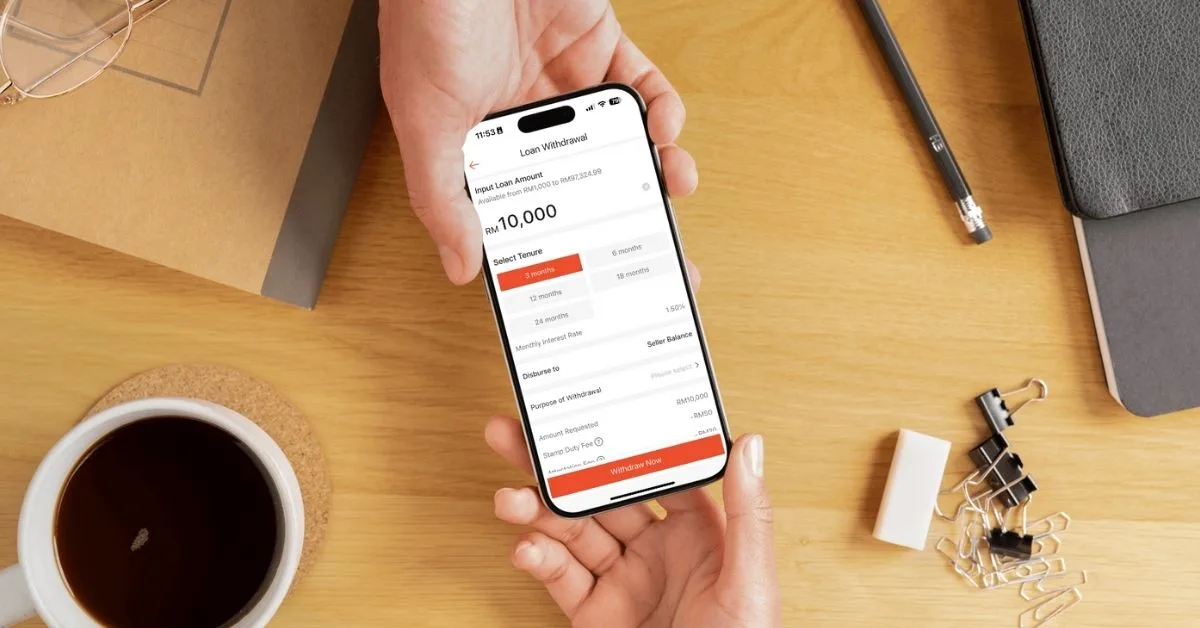
The tapal system (or "tapal-tapal") is when you borrow from one loan app to pay another. In English, it's using a loan to pay off another loan. Galing ang salita sa "tapal," o patch. Tinatapalan mo ang isang utang gamit ang panibagong utang.
An Inquirer opinion piece on online lending described the same thing: borrowers who can't pay their first loan start a "tapal-tapal" system, using loans from one app to pay another.
The problem is simple. The debt doesn't go away. It only moves to a new lender, with new interest and new fees.
Signs Na Nasa Tapal System Ka Na
Minsan hindi mo agad napapansin. Check if any of these sound familiar:
- You open a new loan app because a due date is coming, not because you need new money.
- Your salary is gone on payday because it all goes to loan payments.
- You don't know the exact total of what you owe anymore.
- You pay the minimum on your credit cards, but the balance barely moves.
- You have more than one pay later account and you use one to cover another.
- Kinakabahan ka tuwing may tumatawag na hindi mo kilala ang number.
Kung dalawa o higit pa ang tumama, nasa tapal system ka na, o malapit na.
Why the Tapal System Makes Your Debt Bigger
Here's an example. The numbers are only for illustration, with a 7.5% charge every 2 weeks:
| When | What you do | What you owe |
|---|---|---|
| Week 0 | Borrow ₱3,000 from App A | ₱3,225 due in 2 weeks |
| Week 2 | Borrow ₱3,225 from App B to pay App A | ₱3,467 due in 2 weeks |
| Week 4 | Borrow ₱3,467 from App C to pay App B | ₱3,727 due in 2 weeks |
After 6 weeks, you owe more than ₱3,700 on a ₱3,000 loan, and wala ka pang nababayaran kahit piso sa mismong utang.
In real life, mas malala pa madalas. Many apps take a processing fee from the amount you receive, so you get less cash but still pay back the full loan. Add late fees, and every new app also gets access to your phone and your contacts. Kaya sa mga kuwentong nabasa ko, ilang buwan lang ng tapal, lubog na.
Tapal System sa Credit Cards at Pay Later Apps
Hindi lang loan apps ang may tapal. It happens with credit cards and pay later (BNPL) apps too.
With credit cards, it often looks like this: you pay the minimum amount due, then use cash advance, credit-to-cash or balance conversion to cover the other cards. Every month, finance charges and installment fees eat your payment, so the total balance hardly goes down.
With pay later apps, you buy now and split the payment, then use another pay later account to cover the first one. Maliit tingnan ang bawat hulog, pero kapag pinagsama-sama, mas malaki pa sa sweldo mo.
Iba ang rules at options para sa credit cards, kaya may hiwalay akong section para diyan sa ibaba.
Bawal Ba ang Malaking Interest? What the Rules Say
Yes, may limit. The Bangko Sentral ng Pilipinas set caps through BSP Circular No. 1133, and the SEC applies the same caps to lending and financing companies through SEC Memorandum Circular No. 3 (2022). These cover small, unsecured loans of ₱10,000 or less, payable in up to 4 months:
- Interest: up to 6% a month, or about 0.2% a day.
- Interest plus all fees (processing, service, verification): up to 15% a month. Late penalties are not part of this limit.
- Late penalty: up to 5% a month of the amount due.
- Total cost: interest, fees and penalties together cannot go over 100% of what you borrowed. Kaya sa ₱3,000 na utang, hindi ka dapat magbayad ng higit sa ₱6,000 in total.
Kung mas malaki ang sinisingil sa'yo, screenshot mo ang loan details at itago mo. You'll need them if you file a complaint.
Ano ang Mangyayari Kapag Hindi Makabayad sa Online Loan?
Gusto kong maging diretso dito, kasi maraming nananakot at marami ring nagsasabing "huwag mo na lang bayaran." Neither is the full picture.
Kapag hindi ka nakabayad, ito ang puwedeng mangyari:
- Late penalties are added, up to the caps above.
- The lender or its collection agency will call, text and email you. They may also send someone to your house.
- Your missed payments can go into your credit record. Lending companies with online platforms were ordered by the SEC to submit borrower data to the Credit Information Corporation (CIC), and banks and other lenders check CIC reports before giving new loans.
- The lender can file a civil case to collect. For claims up to ₱1,000,000, this can go through small claims court, where you don't need a lawyer and lawyers can't appear for the parties at the hearing.
Ito naman ang hindi puwedeng mangyari: makulong ka dahil lang hindi ka nakabayad. The 1987 Constitution (Article III, Section 20) says no person shall be imprisoned for debt. Kapag sinabi ng collector na may warrant ka na o makukulong ka dahil lang sa utang, panakot lang 'yan. Iba ang usapan kung may panloloko, like using a fake ID to borrow.
So my answer: hindi mo kailangang matakot sa kulungan, pero hindi rin nawawala ang utang kapag hindi mo pinansin. The goal is to pay what you really owe, in a way you can actually afford.
What Loan Apps Are Not Allowed to Do
Ito ang part na dapat alam ng lahat ng may utang sa loan app, kaya basahin mo nang mabuti.
The SEC's rule on debt collection, Memorandum Circular No. 18 (2019), lists unfair collection practices. Lending companies, and the collection agencies they hire, cannot:
- threaten you or use insults and bad language,
- lie to scare you, like saying you'll be arrested,
- contact people in your contact list who are not your guarantor or co-maker, even if you allowed the app to read your contacts,
- post or share your debt to shame you.
The National Privacy Commission has also gone after lending apps that misused contact lists. Sila ang lalapitan mo kapag ginamit ang personal data mo para ipahiya ka.
At hindi ka nag-iisa. Ayon sa Inquirer, the Presidential Anti-Organized Crime Commission received more than 47,000 complaints about online lending apps between August 2024 and January 2026.
Paano Makaalis sa Tapal System: How to Get Out of Debt in the Philippines
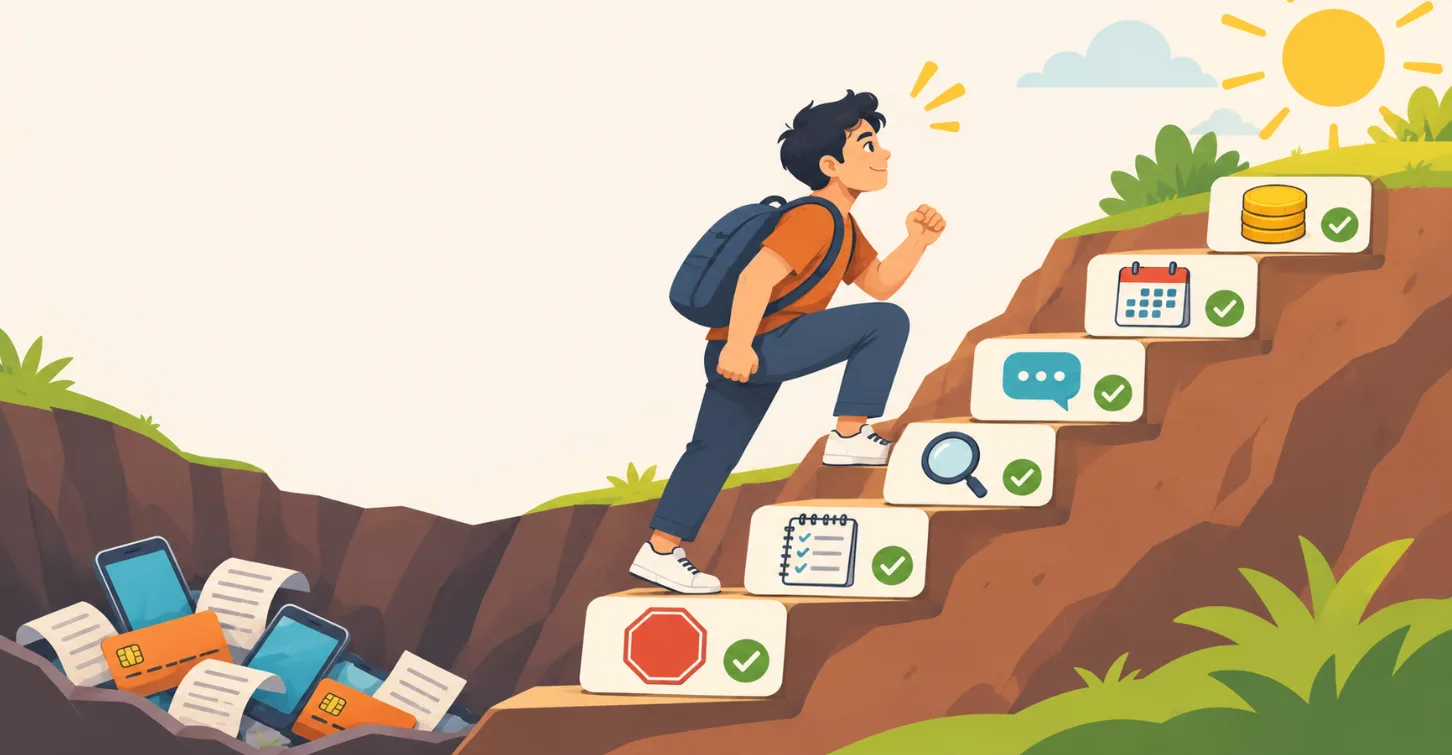
Walang mabilis na paraan dito. Pero ito ang mga hakbang na gagawin ko kung nasa ganitong sitwasyon ako:
- Stop the tapal. This is the hardest step and the most important. Bawat bagong tapal ay may dagdag na interest at fees, kaya kahit late ka na sa isa, huwag ka nang mangutang sa bagong app para lang mabayaran ito.
- List every loan. Write down the lender, the amount you borrowed, how much they say you owe, the due date, the interest, and the company name shown in the app. Isama mo pati credit cards at pay later accounts. Mas madali kang makakapagdesisyon kapag nakikita mo lahat sa isang listahan.
- Compare your total monthly dues with your income. Subtract rent, food, bills and transport from your monthly income first. Kung mas malaki pa ang monthly dues mo kaysa sa matitira, hindi mo ito kayang bayaran nang buo bawat buwan, at kailangan mong makipag-usap sa mga lender.
- Check each lender with the SEC. Look up the company and app name in the SEC's list of recorded online lending platforms, its list of lending companies, and its list of revoked and suspended lending companies. Kung wala sa listahan, o nasa revoked list, i-note mo. You can report it.
- Compare the charges with the caps. For loans of ₱10,000 or less, check the 100% total cost cap. If you borrowed ₱3,000 and the app says you owe ₱7,000, lampas na 'yan sa limit.
- Talk to your lenders before the due date. Message the official customer service and ask for an extension, a payment plan or a lower settlement amount. Get the answer in writing, through chat or email. Mas maganda kung ikaw ang unang lumapit kaysa hintayin mo ang collector.
- Pay the most expensive loans first. Unahin ang may pinakamalaking dagdag kada linggo. Bayaran mo kung ano lang ang kaya mo, pero bayaran mo nang regular, and keep every receipt and screenshot.
- Tell someone at home. Sa maraming kuwentong nabasa ko, ang pinakamasakit ay nalaman ng pamilya mula sa collector o sa home visit. Mas magaan kung sa'yo nila unang malalaman. Hindi mo kailangang sabihin lahat, pero sapat na para hindi sila mabigla.
- Find extra money without new debt. Sell things you don't use, take on extra work, or ask family for help if you can. Kung naghahanap ka ng maliit na dagdag sa phone mo, basahin mo ang Hustle PH tutorial ko. Hindi nito mababayaran ang malaking utang, pero mas okay ito kaysa panibagong loan.
Kung Credit Card ang Utang Mo: IDRP at Debt Settlement
Kung credit cards ang pinagtatapalan mo, may dalawang option na madalas pag-usapan ng mga Pinoy na nakalabas na sa utang.
Interbank Debt Relief Program (IDRP)
The IDRP is a debt restructuring program for people with credit card debt in more than one bank. It's handled by the banks through the Credit Card Association of the Philippines. Instead of paying each card separately, your balances are put into one restructured plan with a fixed term.
Ito ang dapat mong malaman bago ka mag-apply:
- It's for credit card debt only. Hindi kasama ang online loan apps, car loans o housing loans.
- You usually need cards from at least two participating banks. Other requirements, like the minimum balance, depend on the banks, so ask yours.
- You apply through your bank's customer service or its collections or hardship unit, and you have to declare all your credit card balances.
- A lower interest rate is possible but not guaranteed. It depends on the banks.
- If you miss payments to one bank, the whole IDRP agreement can be cancelled for all banks. Banks also usually allow it only once.
Sa mga kuwentong nabasa ko, matagal ang proseso. It can take a few months of follow-up calls and emails before you get the final papers, so keep paying what you can while you wait, at huwag kang susuko sa follow-up.
Debt settlement with the bank
If your cards are already long overdue, some banks offer a settlement: you pay a lower one-time amount or a short plan to close the account. Kung ganito ang gagawin mo:
- Ask the bank or its authorized collection agency what settlement options you have.
- Get the offer in writing before paying anything. Make sure it shows the amount, the deadline, and that it's a full and final settlement.
- Pay only through the bank's official channels.
- Keep every receipt and email, and ask for a Certificate of Full Payment or a written confirmation that the account is closed.
- Don't agree to a plan you know you can't keep.
Settlement can close your debt for less, but it will show in your credit history, so expect it to be harder to get new credit for a while. Para sa marami, sulit pa rin, kasi natatapos na ang utang.
What to Do About Loan App Harassment
- Screenshot every threatening text, chat and call log, with the date and the number.
- Ask your contacts to screenshot any message they got about your debt.
- Report the lender to the SEC using the complaint form on its website. File one complaint per lending company.
- Report misuse of your contacts or personal data to the National Privacy Commission at privacy.gov.ph.
- Keep talking to the lender's official channel about paying. Mali ang harassment, pero nandiyan pa rin ang totoong utang mo.
Kapag Sobrang Bigat Na
Totoo ang stress sa utang. Hindi ka masamang tao dahil nalubog ka, at hindi ka rin nag-iisa. Kung hindi ka na makatulog, or you feel like there's no way out, talk to someone you trust. You can also call the NCMH Crisis Hotline at 1553 (landline), 0917-899-8727 (Globe/TM) or 0919-057-1553 (Smart/TNT). It's free and open 24/7. Hindi mo kailangang harapin ito nang mag-isa.
My Verdict: Sulit Ba ang Tapal System?
Para sa akin, hindi. The tapal system gives you a few days of relief, but the debt gets bigger every time you do it. Mabagal ang paglabas: stop borrowing, list everything you owe, check your lenders and the legal caps, talk to them early, and pay the most expensive ones first. For credit cards, ask your bank about IDRP or a written settlement.
Mahirap, pero kaya. Many Filipinos have paid off their tapal debts one account at a time.
Kung kailangan mo talagang mangutang sa susunod, basahin mo muna ang listahan ko ng safe at legit na online loan apps sa Pilipinas para sa registered lender ka lang lumapit.
Naranasan mo na ba ang tapal system? Ano ang nakatulong sa'yo para makalabas? Share mo sa comments para makatulong din sa ibang kabayan.
This article is for information only and is not legal or financial advice. Rules can change, so check the latest from the BSP, SEC, NPC and your bank.
References
- Inquirer Opinion: Dignity as collateral
- SunStar: Interest rates, fees on small loans capped
- Manila Bulletin: BSP sets caps on loan rates for low-income borrowers
- Mondaq: SEC issues rules to implement BSP ceilings on interest rates and other fees
- SunStar: Prohibition on unfair debt collection practices of financing and lending companies
- SEC: List of recorded online lending platforms
- SEC: List of lending companies
- SEC: List of revoked and suspended lending companies
- National Privacy Commission: hearings on online lending apps after harassment complaints
- Inquirer: PAOCC gets over 47,400 complaints vs online lending apps
- CIC: Support for the SEC order on financing and lending companies
- Supreme Court: Rules on Expedited Procedures in the First Level Courts
- Credit Card Association of the Philippines: Payments and collections
- Flin: What is the Interbank Debt Relief Program (IDRP)?
- Moneymax: Credit card amnesty in the Philippines
- Official Gazette: The 1987 Constitution, Article III
- Find A Helpline: NCMH Crisis Hotline

Comments 0
Wala pang komento. Be the first to comment!
Leave a Comment